
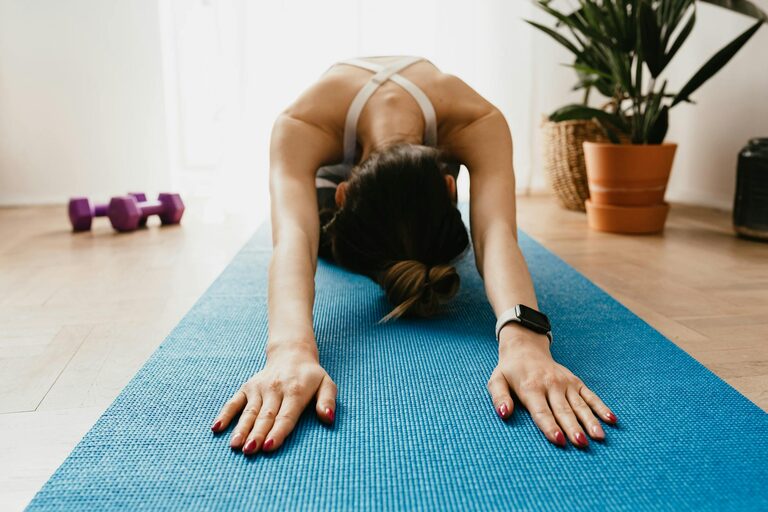
Stretching is a simple yet powerful way to improve your flexibility, reduce muscle tension, and enhance your overall sense of well-being. Whether you spend hours sitting at a desk or you’re just starting a fitness routine, incorporating stretching into your day can make a noticeable difference. This beginner’s guide will walk you through the basics of stretching at home, offering easy-to-follow tips and routines that anyone can try.
Why Stretching Matters
Stretching helps to lengthen muscles, improve range of motion in your joints, and increase circulation. Doing so regularly can:
– Reduce stiffness and soreness
– Prevent injuries during physical activities
– Improve posture and alignment
– Promote relaxation and reduce stress
You don’t need to be an athlete or spend a lot of time to reap these benefits. Even just 10 to 15 minutes a day can be a great start.
Getting Started: What You Need
Good news — stretching requires minimal equipment! Here’s what you’ll want:
– Comfortable clothing: Wear clothes that allow you to move freely.
– A quiet, safe space: Choose a spot with enough room to stretch without obstructions.
– A yoga mat or soft surface: This adds comfort, especially for floor stretches.
– Optional: A towel or strap for helping with certain stretches.
No expensive gear is required. The most important part is your willingness to take a few minutes for yourself daily.
Basic Stretching Guidelines
Before you begin, keep these points in mind to stretch safely:
– Warm up first: Stretching cold muscles can cause injury. A light walk or marching in place for 3–5 minutes warms your body.
– Stretch slowly and gently: Avoid bouncing or forcing your body into uncomfortable positions.
– Breathe deeply: Relaxed breathing helps your muscles loosen.
– Hold each stretch: Aim to hold each position for 15–30 seconds. Repeat 2–3 times if comfortable.
– Listen to your body: Mild discomfort is normal; sharp pain is a sign to stop.
– Stay consistent: Daily or every-other-day stretching works best.
Beginner-Friendly Stretching Routine
Here’s a simple routine targeting major muscle groups, perfect for home practice.
1. Neck Stretch
– Sit or stand tall.
– Slowly tilt your head to the right, bringing your ear toward your shoulder.
– Hold for 20 seconds, feeling the stretch on the left side of your neck.
– Repeat on the left side.
2. Shoulder Stretch
– Bring your right arm across your chest.
– Use your left hand to gently press your right arm closer to your chest.
– Hold for 20 seconds, then switch arms.
3. Chest Opener
– Clasp your hands behind your back.
– Straighten your arms and lift your chest slightly.
– Hold for 20 seconds, breathing deeply.
4. Standing Hamstring Stretch
– Stand with feet hip-width apart.
– Slowly bend forward at the hips, reaching toward your toes.
– Keep your knees slightly bent if needed.
– Hold for 20 seconds, feeling the stretch along the back of your legs.
5. Quadriceps Stretch
– Stand tall and hold onto a chair or wall for balance.
– Bend your right knee and grab your right ankle with your right hand.
– Gently pull your heel toward your buttocks.
– Hold for 20 seconds, then switch legs.
6. Seated Spinal Twist
– Sit on the floor with your legs extended.
– Bend your right knee and cross it over the left leg.
– Place your right hand behind you and your left elbow outside the right knee.
– Twist your torso to the right, looking over your shoulder.
– Hold 20 seconds, then repeat on the other side.
7. Cat-Cow Stretch (for spine mobility)
– Get on hands and knees in a tabletop position.
– Inhale and arch your back, lifting your tailbone and head (Cow Pose).
– Exhale and round your back, tucking your chin and tailbone (Cat Pose).
– Repeat 5-6 times slowly.
Tips for Staying Motivated
Consistency is key when learning a new habit like stretching. Here are a few tips to help you stay on track:
– Set a routine: Stretch at the same time each day, such as morning or before bedtime.
– Keep it short: Even 5–10 minutes can help, especially if you’re busy.
– Use reminders: Set phone alerts or leave notes around your home.
– Mix it up: Try different stretches or add light yoga moves as you progress.
– Enjoy the process: Focus on how your body feels after stretching rather than just results.
When to Avoid Stretching or Seek Advice
If you have an injury, chronic pain, or health condition, consult a healthcare professional before starting any stretching routine. Also, avoid stretching inflamed or swollen areas until they heal.
Final Thoughts
Stretching at home is a practical and gentle way to care for your body. By incorporating easy stretches into your daily life, you can improve flexibility, reduce tension, and feel more energized. Remember that small, consistent efforts add up over time, so start slow and enjoy the journey toward better mobility and well-being!
Feel free to bookmark this guide and return often. Here’s to your healthier, more flexible self!