Stretching is a simple yet powerful way to improve your flexibility, reduce muscle tension, and enhance your overall wellbeing. You don’t need a gym membership or special equipment to get started; all you need is a little space at home and some time. Whether you want to ease stiffness, warm up before exercise, or wind down after a long day, stretching can play an important role in your health routine.
In this beginner’s guide, we’ll explore the basics of stretching at home, including key benefits, best practices, and easy stretches you can try right now.
Why Stretching Matters
Stretching offers several benefits that contribute to both physical comfort and improved movement:
– Increases flexibility: Regular stretching helps your muscles and joints move more freely.
– Enhances circulation: Gentle stretches promote blood flow, which aids muscle recovery.
– Reduces muscle tension: Stretching can relieve tightness and stiffness after sitting or physical activity.
– Improves posture: Stretching tight muscles can help correct imbalances that lead to poor posture.
– Prepares the body: Stretching before exercise can help prevent injury and improve performance.
– Promotes relaxation: Gentle stretching routines can ease stress and calm the mind.
Setting Up Your Stretching Space at Home
You don’t need much to create a comfortable and effective stretching area:
– Choose a quiet spot: Find a place free from distractions with enough room to move.
– Use a mat: A yoga mat or soft surface will protect your joints and provide grip.
– Wear comfortable clothes: Loose or stretchy clothing allows for full range of motion.
– Stay hydrated: Keep water nearby to stay refreshed during your session.
– Consider props: Optional items like a foam roller, strap, or towel can assist with deeper stretches.
Best Practices for Safe Stretching
Focus on technique and mindful movement to maximize benefits and avoid injury:
– Warm up first: Do 3-5 minutes of light activity like walking or marching in place before stretching.
– Stretch slowly: Ease into each stretch with slow, controlled movements.
– Hold stretches: Maintain each stretch for 15-30 seconds without bouncing.
– Breathe deeply: Inhale and exhale steadily to help your body relax.
– Listen to your body: Stretch to a comfortable tension, never to the point of pain.
– Be consistent: Aim to stretch at least 3 times a week for lasting results.
Easy Stretches for Beginners
Here are some beginner-friendly stretches you can do at home to target major muscle groups:
1. Neck Stretch
– Sit or stand tall.
– Slowly tilt your head to the right, bringing your ear closer to your shoulder.
– Hold for 20 seconds, then switch sides.
– Repeat 2-3 times.
2. Shoulder Rolls
– Stand with feet shoulder-width apart.
– Lift your shoulders toward your ears, roll them back and down in a circular motion.
– Do 10 rolls backward, then 10 forward.
3. Cat-Cow Stretch (for spine flexibility)
– Kneel on hands and knees.
– Arch your back, tucking your chin toward your chest (Cat).
– Then, drop your belly toward the floor, lifting your head and tailbone (Cow).
– Move between these positions slowly, repeating 8-10 times.
4. Seated Hamstring Stretch
– Sit with one leg extended, the other bent with the foot near your inner thigh.
– Reach toward your toes on the extended leg, keeping your back straight.
– Hold for 20-30 seconds, then switch legs.
5. Standing Quadriceps Stretch
– Stand tall and balance on your left leg.
– Grab your right ankle from behind and pull it gently toward your buttocks.
– Keep knees close together and chest lifted.
– Hold for 20-30 seconds, repeat on the other side.
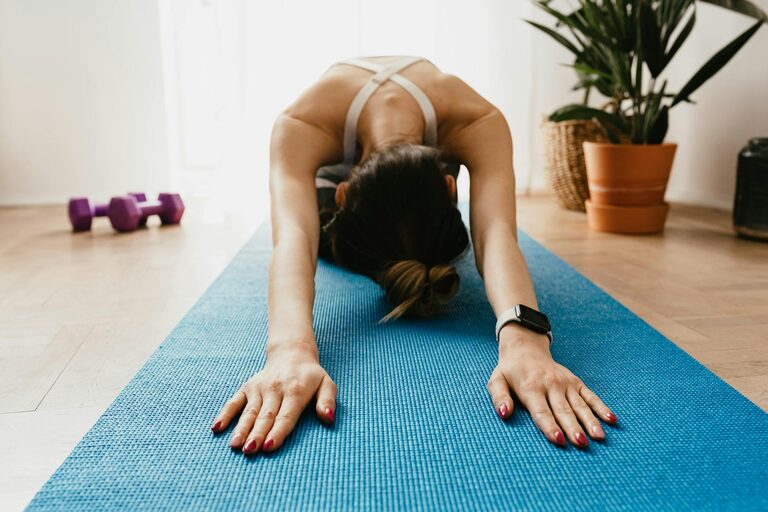
6. Child’s Pose (restorative stretch)
– Kneel and sit back on your heels.
– Stretch your arms forward on the floor and lower your chest toward the mat.
– Relax your forehead down and breathe deeply.
– Hold for 30 seconds or longer.
Creating a Stretching Routine
To get the most out of your stretching, structure your routine with these tips:
– Start small: Begin with 5-10 minutes and build up over time.
– Target multiple areas: Include stretches for neck, shoulders, back, legs, and hips.
– Incorporate daily: Stretch at a consistent time that fits your schedule—morning, evening, or after exercise.
– Mix it up: Try different stretches each session to keep things interesting and comprehensive.
– Track progress: Notice improvements in flexibility and how your body feels.
When to Avoid Stretching or Seek Guidance
While stretching is safe for most people, consider these points:
– Avoid stretching any area showing swelling, bruising, or recent injury.
– If you have chronic conditions like arthritis or spinal issues, consult a healthcare professional before starting a new routine.
– If you experience sharp or persistent pain during stretching, stop and rest.
—
Stretching at home is a simple, accessible way to support your physical health and relaxation. By making stretching a regular habit, you can enjoy greater flexibility, reduced muscle tension, and improved movement in your daily life. Start slowly, stay consistent, and listen to your body as you develop your personalized stretching routine at home. Happy stretching!