
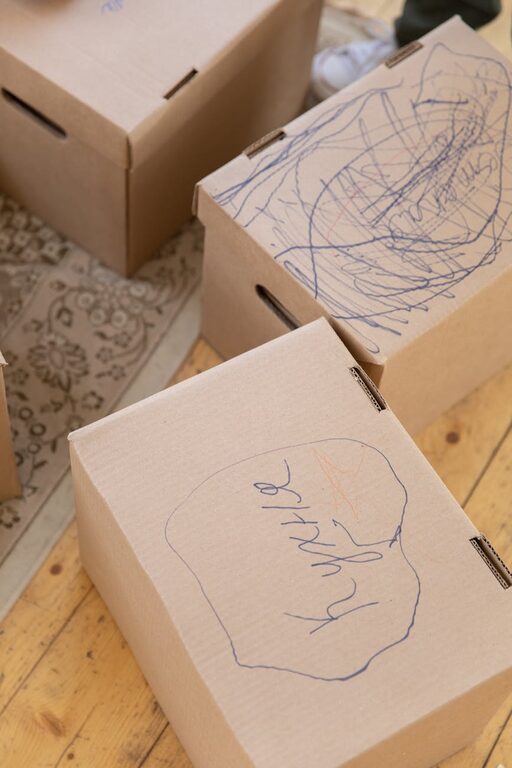
Every parent knows the joy of seeing their child’s colorful creations — from finger paintings to elaborate drawings. But as those masterpieces pile up, organizing kids’ art can quickly become overwhelming. Without a system, art projects can clutter your home, get damaged, or be forgotten. Fortunately, with a little planning and creativity, you can keep your child’s artwork organized, preserved, and displayed in ways that celebrate their creativity.
In this blog post, we’ll explore practical tips and ideas for managing your child’s art collection with ease.
Why Organizing Kids’ Art Is Important
Kids’ artwork holds sentimental value and reflects their growth and imagination. Keeping it organized helps you:
– Preserve precious memories
– Encourage your child’s creativity
– Reduce household clutter
– Create keepsakes for the future
Having a dedicated system also teaches children organizational skills and shows them that their efforts are valued.
Set Up a Dedicated Art Space
One of the easiest ways to manage kids’ art is by creating a special art corner or station.
Tips for an Art Space:
– Use a small table or desk: Give your child a spot to create and store supplies.
– Add storage bins or shelves: Designate places for paper, crayons, markers, and completed artwork.
– Display recent work: A bulletin board or magnetic strip can showcase current projects before they move to storage.
A well-planned space keeps supplies tidy and makes it easy to collect finished pieces.
Sort and Curate Regularly
Kids produce a lot of art, so it’s important to sort through it on a regular schedule — weekly or monthly works well.
Sorting ideas:
– Keep the best: Select pieces that show effort, creativity, or hold special memories.
– Photograph or scan art: For bulkier or numerous items, digitize them to save space.
– Recycle or gift: Recycle less important drawings and consider gifting some to family members.
Involving your child in the sorting process helps them decide what to keep or let go.
Storage Solutions for Artwork
Once you’ve sorted, choose the right storage methods to protect and organize the pieces.
Flat Storage
– Portfolio folders: Large, expandable folders keep drawings flat and easy to browse.
– Clear plastic sleeves: Great for protecting art from dust and damage.
– Under-bed storage boxes: Space-saving boxes allow stacking multiple pieces.
Vertical Storage
– Art filing cabinets or drawers: Label folders by date or theme.
– Hanging file organizers: Use closet rods or wall hooks for easy access.
Digital Storage
– Create a digital archive: Use apps or cloud storage to save scanned images.
– Photo books: Compile yearly art collections into printed albums.
Digital storage can dramatically reduce physical clutter and create lasting keepsakes.
Display Artwork Creatively
Displaying children’s artwork boosts their confidence and adds cheerful décor to your home.
Display Ideas:
– Rotating gallery: Use clipboards, frames, or wire with clips to display favorites and rotate regularly.
– Collage projects: Combine smaller drawings into large collages or posters.
– Functional items: Laminate artwork as placemats or create custom calendars.
When it’s time to retire older pieces, photograph them first for the digital archive.
Encourage Creative Reuse
Teach kids to repurpose their artwork in fun ways.
– Greeting cards: Cut and fold drawings into cards for birthdays or holidays.
– Gift wrap: Use larger sheets as colorful wrapping paper.
– Craft projects: Turn parts of old art into bookmarks, decorations, or collages.
This approach continues to honor their work while preventing waste.
Involve Your Child in the Process
Organizing artwork is also an ideal opportunity to engage your child in decision-making and responsibility.
– Explain why organization is helpful.
– Let them choose storage bins or display methods.
– Celebrate milestones by reviewing saved pieces together.
This involvement makes the system sustainable and meaningful.
Final Thoughts
Keeping kids’ art organized doesn’t need to be stressful. With a clear space, regular sorting habits, thoughtful storage options, and creative displays, you can manage the influx of artwork while cherishing your child’s creativity. Remember, the goal is to balance preserving memories with maintaining a clutter-free home. Start small, have fun, and watch your child’s art—and confidence—shine.
—
We’d love to hear your favorite ways to organize kids’ artwork — share your tips in the comments below!