
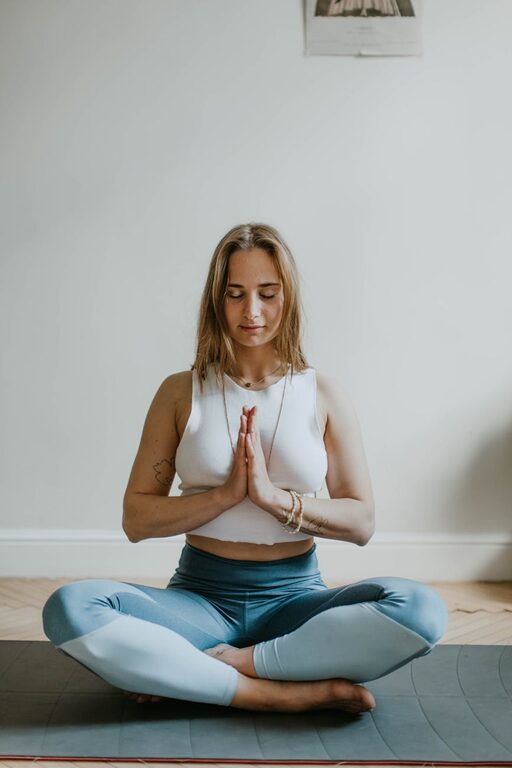
Taking mindful breathing breaks can be a simple yet powerful way to improve your mental well-being and productivity. If you’re new to mindfulness or just looking for easy ways to incorporate calm moments into your busy day, this guide is for you. Here are beginner-friendly tips to help you start mindful breathing breaks effectively.
What Is Mindful Breathing?
Mindful breathing means paying deliberate attention to your breath — noticing how it feels as you inhale and exhale — without trying to change it. It helps anchor your mind in the present moment, reducing stress and quieting mental chatter.
Unlike deep breathing exercises focused on altering breath patterns, mindful breathing encourages gentle observation. This approach makes it accessible and calming for beginners.
Why Take Breathing Breaks?
Modern life is busy, often filled with distractions and responsibilities. Brief mindful breathing breaks can:
– Lower stress and anxiety
– Improve concentration and mental clarity
– Boost mood and emotional resilience
– Help regulate your nervous system
– Provide a quick reset when feeling overwhelmed
Even just one to five minutes of focused breathing can make a noticeable difference in how you feel.
How to Prepare for Your Mindful Breathing Break
Before you begin, create a small, quiet space you can visit regularly to practice. This doesn’t have to be a special room; it could be your desk chair, a park bench, or even a spot in your living room.
Here are a few prep tips:
– Set a timer: Start with 1 to 3 minutes and gradually increase as you get comfortable.
– Choose a comfortable position: Sit or stand with your spine straight but relaxed.
– Minimize distractions: Turn off notifications, close unnecessary tabs, or use noise-canceling headphones if needed.
– Keep an open mind: This practice is about noticing, not judging your experience.
Step-by-Step Mindful Breathing Break
Follow these easy steps to begin your mindful breathing practice:
1. Get Comfortable
Sit with your feet flat on the floor or cross-legged if that’s comfortable. Rest your hands gently on your lap or knees. Close your eyes if you feel at ease doing so.
2. Focus on Your Breath
Bring attention to the natural rhythm of your breathing. Notice the air entering through your nose, filling your lungs, and then flowing out. Don’t try to control it — simply observe.
3. Use Your Senses
Pay attention to sensations: the coolness of the air as you inhale, the warmth as you exhale. Feel the rise and fall of your chest or belly.
4. Gently Bring Back Your Attention
Your mind will wander—that’s perfectly normal. When you notice thoughts drifting away, gently bring your focus back to your breath without any judgment.
5. Finish with Gratitude
As your timer goes off, open your eyes slowly and take a moment to appreciate the calm you’ve created. Acknowledge yourself for taking this time.
Tips to Make Breathing Breaks a Habit
Consistency makes a big difference. Here are some ways to build mindful breathing into your daily routine:
– Schedule breaks: Set reminders on your phone or calendar at times when you usually feel stressed.
– Link to habits: Pair breathing breaks with daily activities like having tea, before meetings, or after lunch.
– Start small: Even one minute is beneficial, so begin with easy goals.
– Use guided meditations: Apps and online videos can offer gentle guidance until you feel confident practicing solo.
– Be patient: Like any habit, mindfulness takes time to grow.
Common Challenges and How to Overcome Them
Difficulty Staying Focused
It’s normal to have a busy mind. Try counting breaths or silently saying “inhale” and “exhale” with each cycle to stay anchored.
Feeling Restless
If sitting still feels uncomfortable, try mindful breathing while walking or gently stretching.
Forgetting to Practice
Use technology wisely by setting alarms or placing sticky notes in visible places as reminders.
Additional Practices to Complement Mindful Breathing
To deepen your practice, consider adding these simple activities:
– Body scan: Slowly notice sensations in different parts of your body.
– Loving-kindness meditation: Send positive wishes to yourself and others.
– Mindful walking: Focus on each step and your surroundings.
Closing Thoughts
Mindful breathing breaks are easy to learn, free, and suited to any lifestyle. Starting with just a few minutes a day, you can foster a greater sense of calm, resilience, and balance. Remember, there’s no perfect way to practice — the key is to be kind to yourself and enjoy the process.
Try these beginner tips today, and see how small pauses with your breath can make a big difference in your well-being.