
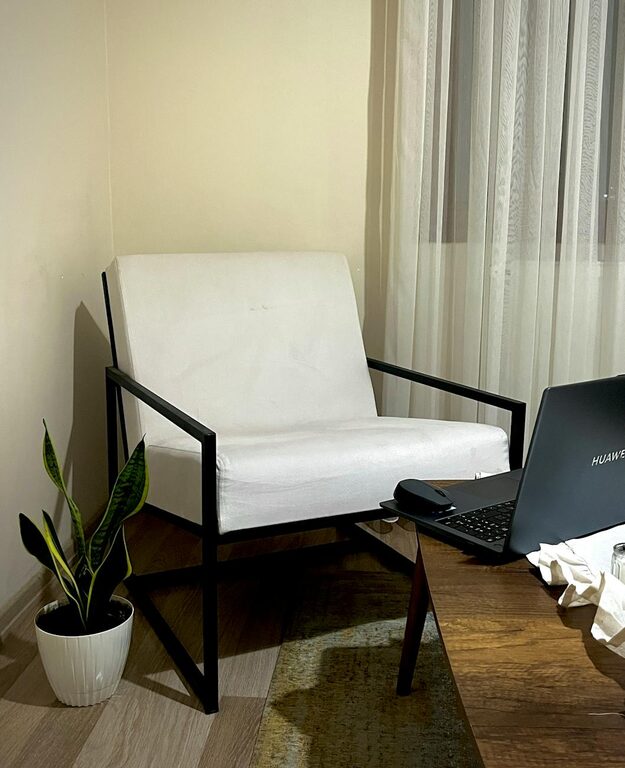
Creating a calm, quiet environment at home can improve your well-being and help you focus better. Whether it’s loud traffic, noisy neighbors, or household sounds, unwanted noise can be distracting and stressful. The good news is that there are simple and budget-friendly ways to reduce noise at home. In this post, we’ll explore practical tips you can apply right away to make your living space more peaceful.
Understanding Noise and Its Impact
Noise is essentially unwanted sound that interferes with your comfort. It can affect sleep, productivity, and overall mood. Common sources include:
– Traffic and street noise
– Appliances and electronics
– Conversations and footsteps inside the house
– Neighbors or nearby construction
By identifying the sources of noise, you can choose the best methods to reduce it.
Simple Ways to Reduce Noise Inside Your Home
1. Use Soft Furnishings to Absorb Sound
Hard surfaces reflect sound, making rooms feel louder. By adding soft materials, you can absorb noise and reduce echoes.
– Place rugs or carpets on floors, especially if you have hardwood or tile.
– Add curtains or drapes on windows.
– Use upholstered furniture like sofas and cushions.
– Hang fabric wall art or tapestries.
These materials help absorb sound waves and make your home quieter.
2. Seal Gaps and Cracks
Noises often enter through small gaps around doors, windows, or walls. Sealing these gaps helps block outside sounds.
– Use weatherstripping around doors and window frames.
– Seal cracks in walls or baseboards with caulk.
– Install door sweeps to close gaps under doors.
These inexpensive fixes can significantly reduce how much noise filters into your home.
3. Rearrange Furniture Strategically
Furniture can help block sound when placed thoughtfully.
– Position large bookshelves or wardrobes against shared walls.
– Place sofas or heavy pieces near windows or noisy walls.
– Use room dividers or screens to create sound barriers.
This can be a simple and effective way to muffle noise without renovation.
4. Add Plants to Your Space
Plants not only beautify your home but also help with sound absorption.
– Larger leafy plants are especially good at reducing noise.
– Place them near windows or walls facing noisy areas.
– Group multiple plants for better effect.
They contribute to a calmer atmosphere while purifying air.
Soundproofing Upgrades for Greater Noise Control
If you’re ready to invest a bit more, these upgrades can enhance your home’s noise reduction.
1. Install Acoustic Panels
Acoustic panels are designed specifically to absorb sound.
– They can be mounted on walls or ceilings.
– Available in various styles to match your décor.
– Particularly useful in rooms where noise is a problem, such as home offices or bedrooms.
2. Upgrade Windows and Doors
Windows and doors are major entry points for noise.
– Consider double- or triple-glazed windows with better insulation.
– Replace hollow-core doors with solid doors.
– Add soundproof door seals.
Though this involves more cost and effort, improvements can be very effective.
3. Use Soundproof Curtains
Heavy soundproof curtains are denser than regular drapes.
– They help block noise from outside.
– Provide the added benefit of light control and privacy.
– Can be combined with regular curtains for a layered look.
4. Add Insulation to Walls and Ceilings
If noise travels through shared walls or ceilings, adding insulation can help.
– Acoustic insulation materials are available for retrofit installations.
– This option usually requires professional help but delivers better sound dampening.
Tips for Reducing Noise from Electronics and Appliances
Sometimes, the noise you hear inside your home comes from your own appliances or technology.
– Place noisy appliances like washing machines or pumps on rubber mats.
– Regularly maintain appliances to prevent loud vibrations.
– Use noise-canceling headphones or white noise machines to mask unwanted sounds.
– Turn off unnecessary devices when not in use.
Create a Quiet Routine
Finally, building a quiet routine can help manage your home’s noise levels.
– Set “quiet hours” for your household, especially during early mornings or late nights.
– Encourage family members to keep voices low in shared spaces.
– Schedule noisy chores like vacuuming when they’re less likely to disturb others.
Final Thoughts
Reducing noise at home doesn’t have to be complicated or expensive. By combining simple strategies like adding soft furnishings and sealing gaps with some soundproofing upgrades, you can enjoy a more peaceful living space. Start with what fits your needs and budget, and gradually create an environment that feels calm and comfortable every day.
Creating quiet in your home is a gift that improves your relaxation, sleep, and concentration. Give these tips a try and notice the difference a quieter home can make!