
Reducing paper clutter in the home can feel like a never-ending battle. From mail and bills to receipts and kids’ school papers, the piles can quickly become overwhelming. Fortunately, with a few simple habits and practical strategies, it’s possible to tame the paper chaos and enjoy a tidier, more organized living space. In this post, we’ll explore straightforward ways to reduce household paper clutter that anyone can implement.
Why Paper Clutter Happens
Before diving into solutions, it helps to understand why paper clutter builds up:
– Daily deliveries: Mail, flyers, and catalogs arrive every day, creating a constant stream of paper.
– Important documents: Bills, insurance papers, and manuals require storage but often pile up.
– Sentimental items: Children’s artwork and cards can accumulate quickly.
– Receipts and coupons: These small papers often get tossed carelessly or saved without a clear plan.
Recognizing these causes is the first step to addressing the problem effectively.
Step 1: Sort and Purge Regularly
One of the best ways to reduce paper clutter is to sort through it frequently and remove what’s unnecessary.
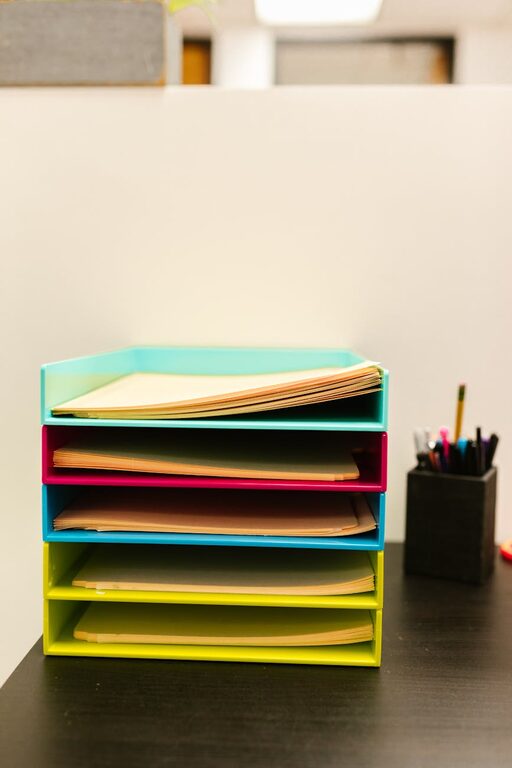
– Create sorting zones: Use labeled trays or containers for categories like “To File,” “To Do,” and “Recycle.”
– Schedule time: Dedicate 10-15 minutes daily or weekly to go through new paper.
– Be ruthless: Recycle or shred documents that are outdated, irrelevant, or duplicates.
– Handle junk mail immediately: Toss flyers and advertisements before they join other piles.
Regular purging stops clutter from building up and keeps paper manageable.
Step 2: Go Digital Whenever Possible
Minimizing paper starts with reducing the amount you bring home.
– Opt for e-statements and bills: Most banks and service providers offer electronic documents.
– Use digital note-taking apps: Replace paper notebooks with apps on your phone or tablet.
– Scan important papers: Use a scanner or smartphone app to create digital backups.
– Store documents securely: Organize scanned files into folders on your computer or cloud storage.
Moving to digital solutions cuts down physical paper and makes searching easier.
Step 3: Set Up a Paper System
Having a clear, consistent method for handling papers prevents clutter from accumulating again.
Create Designated Spaces
– Filing system: Use a simple file box, accordion folder, or filing cabinet.
– Inbox area: Have a spot near your entrance for incoming papers.
– Outgoing tray: A place for bills or paperwork that requires action or mailing.
Label Clearly
Label your folders and trays clearly so you and family members know where items belong.
Develop a Routine
– Sort mail immediately upon arrival.
– File important documents weekly.
– Pay bills promptly and discard payments copies if not needed.
Consistency is key to keeping paper clutter under control.
Step 4: Limit Paper Used for Kids’ Artwork and Schoolwork
Kids generate lots of paper, which is precious but can be overwhelming.
– Designate a display area: A bulletin board or cork wall can showcase current favorites.
– Rotate displayed items: Change the display periodically and store or discard older pieces.
– Create a keepsake box: Store special or meaningful items in a box or portfolio.
– Digitize artwork: Take photos or scan artwork to save space while preserving memories.
Teaching children to help with this system can also encourage good habits.
Step 5: Manage Receipts and Coupons Effectively
Receipts and coupons tend to pile up quickly but can be controlled with these tips:
– Use apps: Many stores offer digital receipts and coupon apps to avoid paper.
– Create a small folder or envelope: Keep only receipts needed for returns or warranties.
– Review and purge regularly: Toss expired coupons and irrelevant receipts.
This reduces excess paper and simplifies finding what you need.
Step 6: Regularly Reassess and Adjust Your System
Paper clutter habits can change, so it’s important to check your system periodically.
– Evaluate what’s working and what isn’t.
– Adjust folder categories or routines as needed.
– Involve the household in maintaining the system.
The more your system fits your lifestyle, the easier it will be to sustain.
Final Thoughts
Reducing household paper clutter is achievable with a combination of sorting, digital alternatives, and consistent systems. By adopting these simple changes, you can create a more organized and peaceful home environment. Start small, be consistent, and enjoy the benefits of a clutter-free space!