
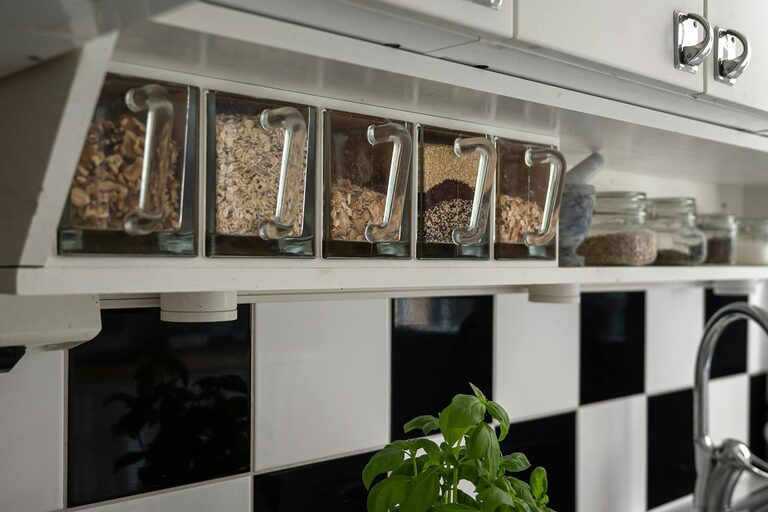
Planning meals from pantry staples is a smart way to simplify your cooking routine. Whether you’re aiming to save time, cut down grocery trips, or reduce food waste, you can create satisfying and nutritious meals from items already stored in your kitchen. In this guide, we’ll explore how to assess your pantry, pick versatile ingredients, plan balanced meals, and put it all together effortlessly.
Why Plan Meals Using Pantry Staples?
Using pantry staples to plan your meals has many benefits:
– Saves money: Reduces the need for last-minute, costly grocery runs.
– Reduces waste: Helps you use what you have before it expires.
– Saves time: Fewer shopping trips or meal decisions to make.
– Promotes creativity: Encourages experimenting with different ingredient combinations.
– Provides convenience: Pantry ingredients usually have a long shelf life, ready when needed.
Step 1: Take Inventory of Your Pantry Staples
Before you plan your meals, get familiar with what you have. Organizing your pantry can make this easier.
How to Inventory Your Pantry
– Empty your pantry shelves: Lay out all the items so you can see what’s there.
– Group similar items: Dry goods, canned foods, grains, spices, baking supplies, etc.
– Check expiration dates: Discard anything spoiled or outdated.
– Make a list: Write down the key items and their quantities.
Common Pantry Staples You May Have
– Grains: rice, pasta, quinoa, oats
– Legumes: canned/dried beans, lentils, chickpeas
– Canned goods: tomatoes, vegetables, broth
– Baking ingredients: flour, sugar, baking powder
– Oils and vinegars: olive oil, vegetable oil, balsamic vinegar
– Spices and seasonings: salt, pepper, herbs, garlic powder
– Nuts, seeds, dried fruits
Step 2: Identify Meal Types Based on Pantry Staples
Once you know your inventory, think about the types of meals you can create. Here are common categories to consider:
Soups and Stews
Using canned tomatoes, broth, beans, and spices, you can make hearty soups or stews. Add grains or pasta for more substance.
Grain Bowls and Salads
Combine cooked rice, quinoa, or pasta with canned vegetables, beans, and salad dressings made from pantry oils and vinegar.
Pasta Dishes
Pasta pairs well with tomato sauce, olive oil, garlic, herbs, and proteins like canned tuna or beans.
Stir-Fries and Sautés
Use canned vegetables, rice or noodles, oil, and spices to quickly whip up a flavorful stir-fry.
Baked Goods and Breakfasts
Make pancakes, muffins, or oatmeal with flour, oats, sugar, baking powder, and dried fruit.
Step 3: Plan Balanced Meals with Pantry Staples
To ensure your meals are nutritious and satisfying, aim to balance the meal components:
– Carbohydrates: Grains, pasta, bread, or starchy vegetables
– Protein: Beans, lentils, canned fish, nuts, seeds
– Vegetables: Canned or dried vegetables, or fresh if available
– Fats: Oils, nuts, seeds
– Flavor: Herbs, spices, vinegar, salt, pepper
For example, a simple pasta dish might include pasta (carb), chickpeas (protein), canned tomatoes and garlic (vegetables and flavor), and olive oil (fat).
Step 4: Get Creative With Recipes Using Pantry Staples
Here are some easy recipe ideas that rely heavily on pantry ingredients:
1. One-Pot Chickpea and Tomato Stew
– Sauté garlic and onions in olive oil
– Add canned chickpeas, canned tomatoes, and vegetable broth
– Season with cumin, paprika, salt, and pepper
– Simmer and serve over rice or with bread
2. Tuna and White Bean Salad
– Combine canned tuna and white beans
– Add olive oil, lemon juice or vinegar, salt, pepper, and dried herbs
– Mix in chopped canned or fresh vegetables if available
3. Spaghetti Aglio e Olio
– Cook spaghetti
– Sauté sliced garlic in olive oil until fragrant
– Toss pasta with garlic oil, chili flakes, salt, and pepper
– Top with toasted nuts or seeds for crunch
4. Lentil Curry
– Cook lentils with curry powder, canned tomatoes, onions, and garlic
– Add coconut milk if available or substitute with broth
– Serve with rice or flatbread
Step 5: Tips for Maintaining a Well-Stocked, Useful Pantry
– Keep essentials stocked: Regularly replenish commonly used staples like rice, beans, canned tomatoes, and oils.
– Rotate stock: Use older items first to prevent waste.
– Store properly: Keep items in airtight containers to extend shelf life.
– Note quantities: Avoid buying excess that might go unused.
– Add fresh ingredients as available: Incorporate fruits, vegetables, dairy, or proteins when convenient.
Final Thoughts
Meal planning from pantry staples is both practical and enjoyable. By knowing what you have and understanding how to combine ingredients, you can prepare a wide variety of meals with ease. It reduces cooking stress, saves money, and ensures you always have something tasty to eat, even on busy days.
Start your pantry meal planning today by taking stock, picking recipes that fit your staple ingredients, and trying new combinations. You might be surprised at the delicious dishes you can whip up without a last-minute grocery store trip!